
Tweet Overview
View this X/Twitter post from @iamluismalheiro published on 21 เมษายน 2568 เวลา 11:19. This post contains 4 videos and 13 images.
This is Pope Francis.

The Pope who:
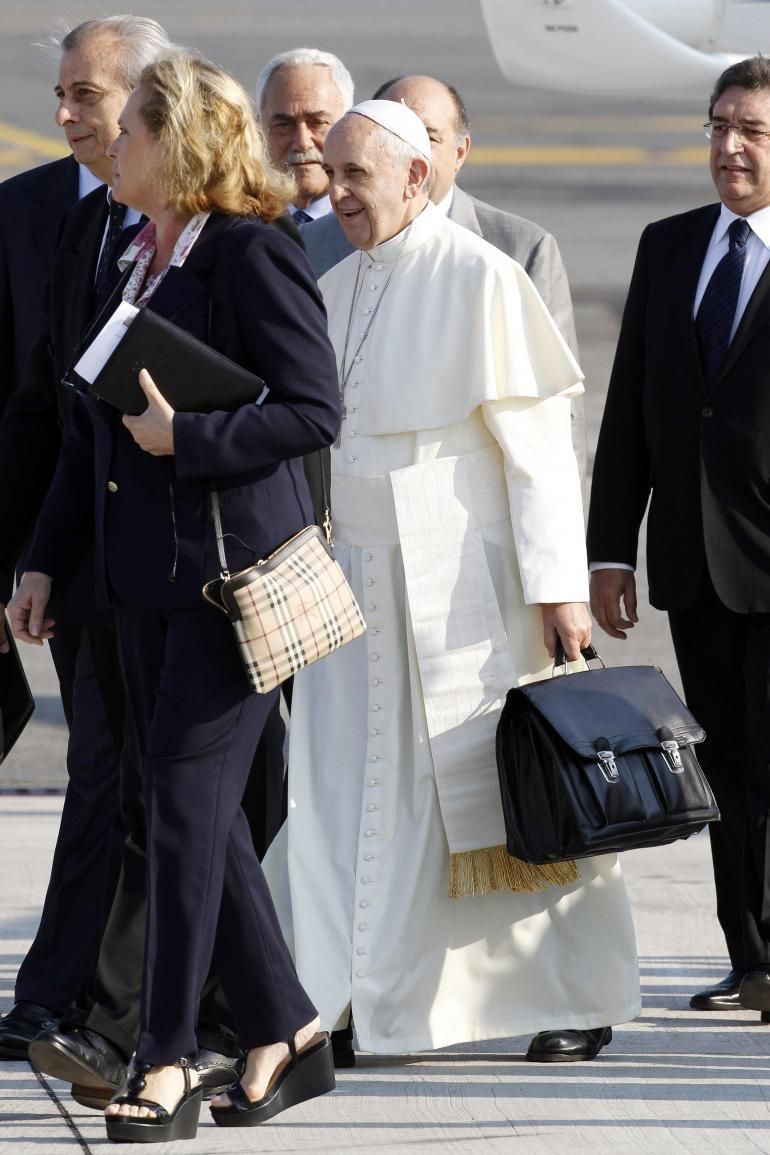
• Carried his own luggage
• Paid his hotel bill after election
• Lived in a simple guesthouse

His humility was a revolutionary leadership that challenged 2,000 years of Church hierarchy.

Here's his story:🧵

Before becoming pope, Jorge Bergoglio worked as a nightclub bouncer in Buenos Aires.

This unlikely background shaped a leader who never forgot his ordinary roots.

When he became Pope in 2013, he was the first to choose the name Francis:

 The saint of poverty and simplicity.

Most new popes move into the luxurious Apostolic Palace with its 10 rooms and staff of 30.

Francis refused, choosing instead a modest 2-room apartment in the Vatican guesthouse.

"I need to live among people," he explained.

His residence became a statement against isolation.

But here's the thing about Francis's humility: it wasn't just aesthetic.

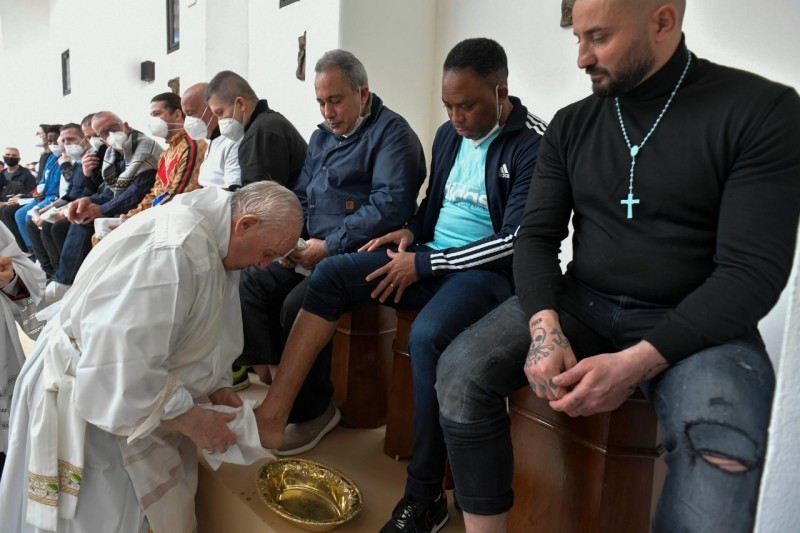
When he washed the feet of 12 prisoners in 2013—including women and Muslims—it shocked traditionalists.

For 2,000 years, popes had only washed priests' feet.

His simple act rewrote papal symbolism.
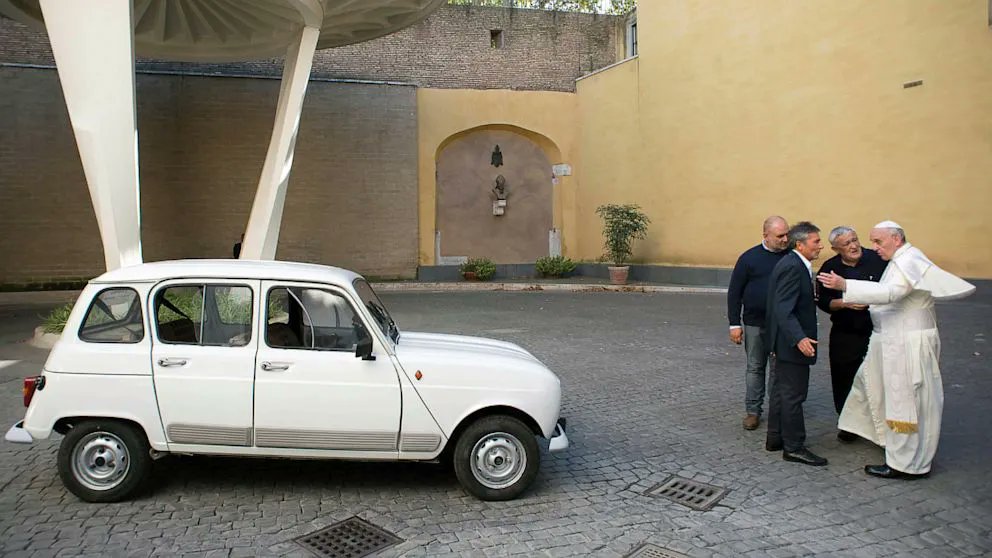
Francis drove a 1984 Renault with 190,000 miles when a priest gave it to him.

He rejected the bulletproof "Popemobile" when possible.

When asked about his modest cars, he responded: "How can it be that a servant of God becomes so rich?"
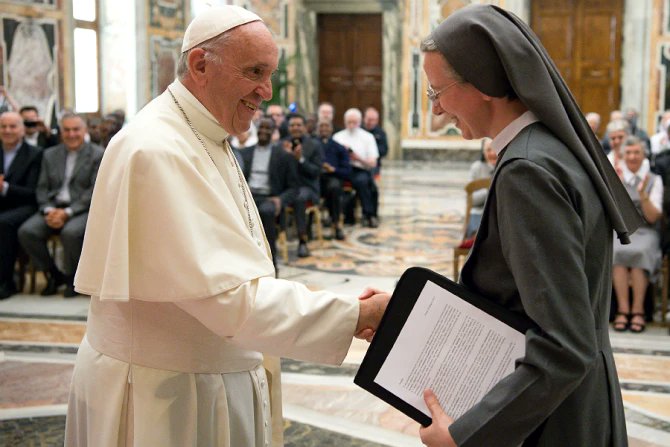
His most powerful leadership moment came with five words: "Who am I to judge?"

When asked about gay clergy in 2013, this response signaled a profound shift.

Not in doctrine—but in approach.

Leadership through listening rather than condemnation.
Francis created a paradox: the humbler he appeared personally, the more radical his institutional challenges became.

He appointed more women to senior Vatican roles.

He reformed corrupt Vatican finances.

He decentralized authority.
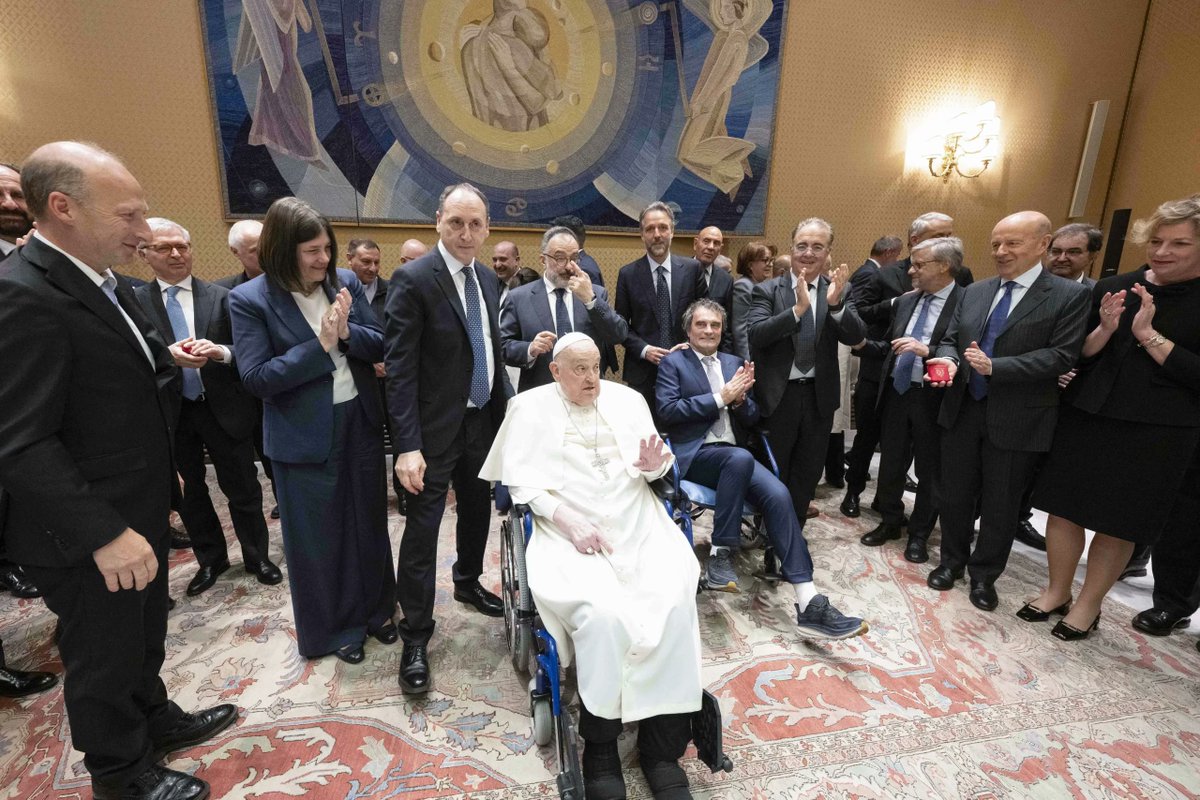
Traditional leadership projects strength. Francis displayed vulnerability.

With part of one lung removed at 21, he spoke openly about his health struggles.

During his final hospitalization in 2025, he refused special treatment.

Weakness became a different kind of strength.
The resistance was fierce.

Conservative cardinals published formal "dubia" (doubts) questioning his teachings.

Some called him a heretic.

Others said his informality undermined papal authority.

But criticism revealed what threatened them: power sharing.
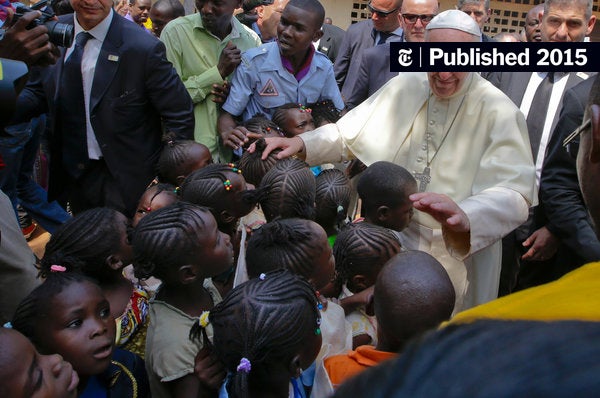
Francis traveled to places popes rarely visit:
• War zones
• Refugee camps
• Prisons
• Slums
• Environmental disaster areas

His focus on "the peripheries" wasn't just geographical—it was a leadership philosophy.

Go where power isn't.
Think about it: When Francis lived simply, he wasn't just saving money.

He was modeling a challenge to the entire hierarchy.

If the pope doesn't need luxury, what bishop needs a mansion?

If he carries his bags, why do priests need deference?

His example rippled downward.
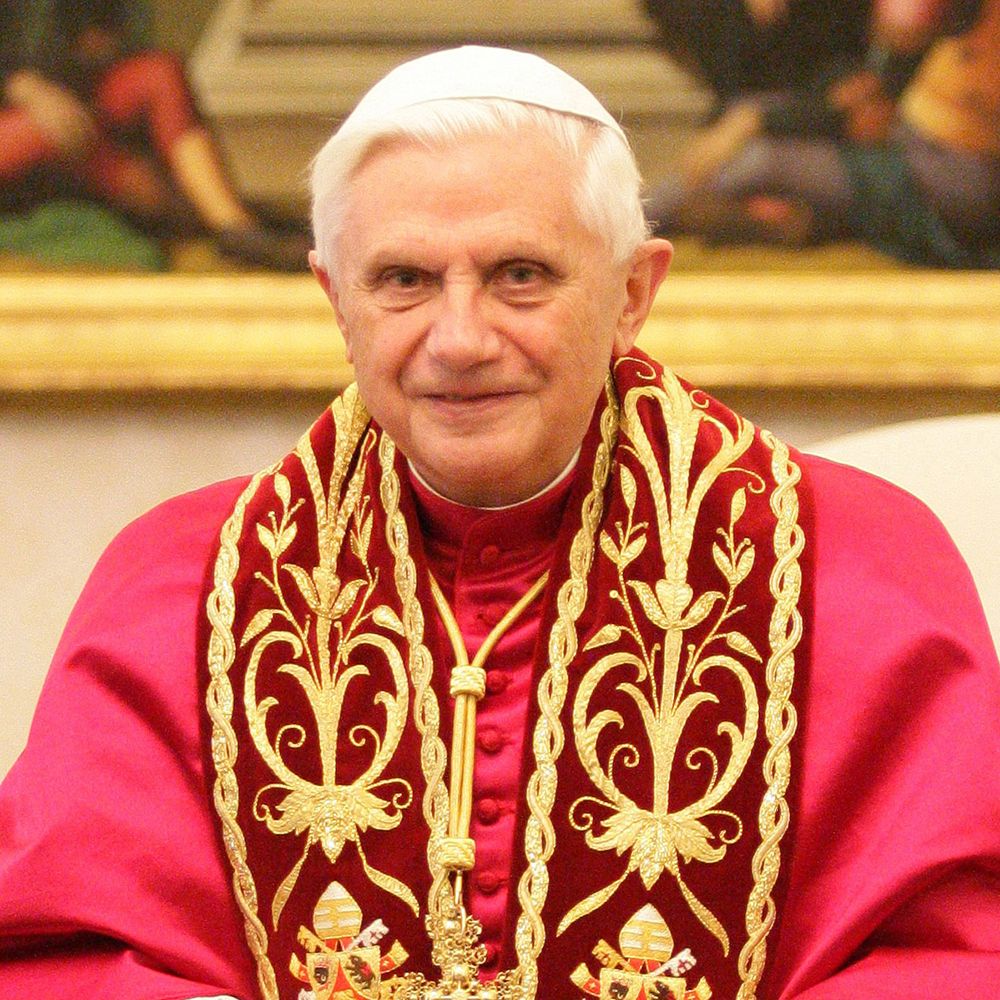
Compare Francis to predecessors:
- Benedict: Focused on theological precision
- John Paul II: Emphasized doctrinal clarity

Francis focused on encounter over enforcement.

Compassion over condemnation.

Dialogue over dogma.

Francis once described the Church as a "field hospital after battle" rather than a customs office.

This metaphor reveals his leadership philosophy:
- Meet people in their pain
- Heal first, judge later
- Go to the wounded rather than wait for them

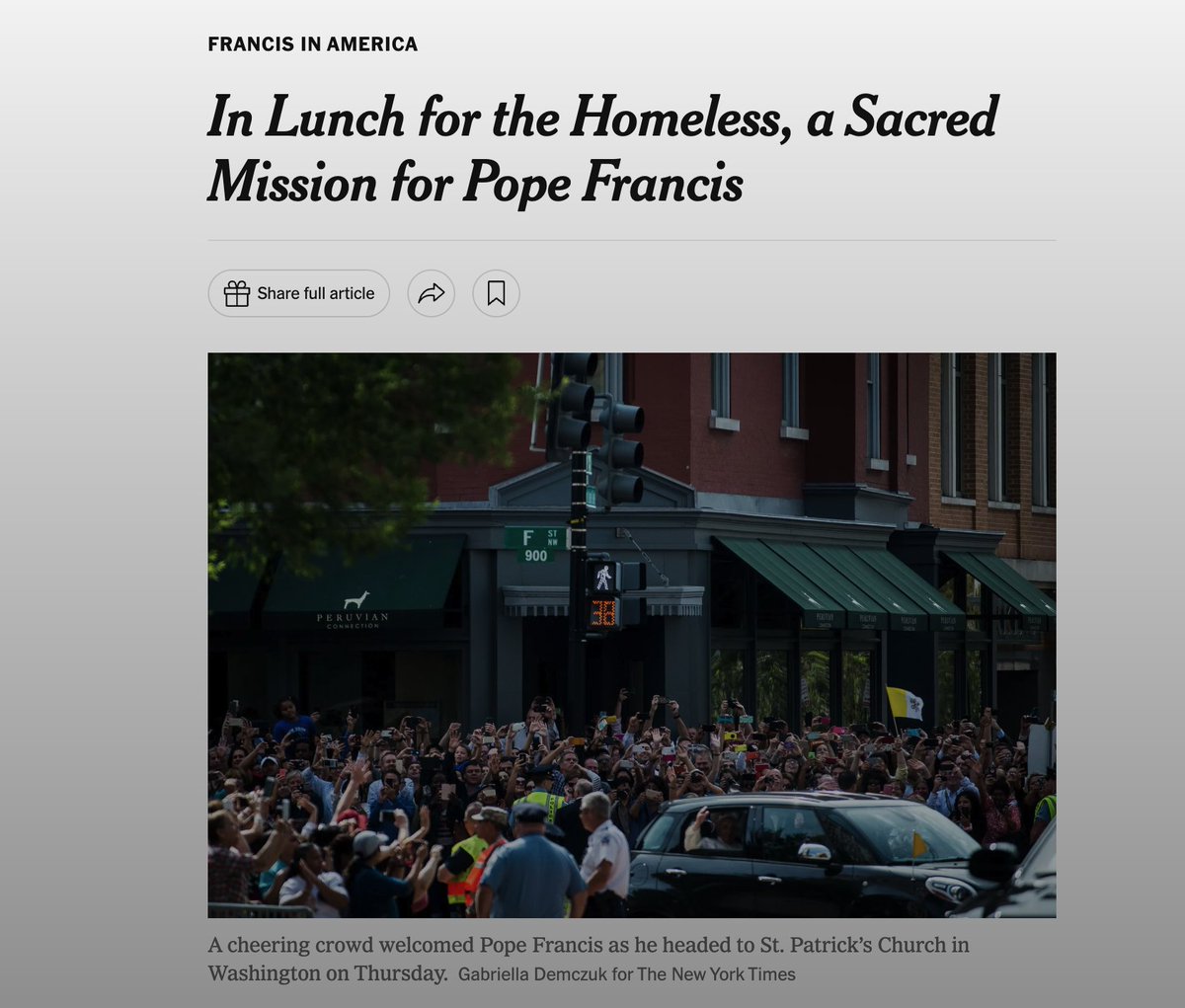
His leadership style was captured in a famous moment:

When visiting America, Francis skipped a formal lunch with politicians to eat with homeless people instead.

The message was clear: leadership serves those with least power, not those with most.
In his final years, Francis faced criticism:

- Supported civil unions while maintaining traditional marriage doctrine
- Promoted dialogue while making impulsive statements
- Advocated mercy while being stern with traditionalists

Leadership through humility has contradictions.
Francis died on April 21, 2025, leaving a divided Church but a transformed model of leadership.

His legacy? Proving that washing feet is more powerful than wearing crowns.

The question remains: was his humility a personal virtue or a permanent revolution in papal leadership?
Threads are the best way to be seen on 𝕏.

My threads get ~2M views every 2 weeks and hundreds of new followers.

If you want the same results, subscribe to my newsletter where I teach you how to write excellent threads 👉 http://storiesofexcellence.kit.com
I hope you enjoyed this thread.

Follow @iamluismalheiro for more stories like this.

And don't forget to share 👇


