
Tweet Overview
View this X/Twitter post from @nealtaparia published on 30 دسمبر، 2024 کو 03:00 PM. This post contains 7 videos and 4 images.
The most profitable side project in history:

• $0 in funding
• Built in 14 days
• Run from an apartment
• Sold for $575,000,000

Here's how one programmer bootstrapped a dating empire:

2003: Markus Frind was unemployed in Vancouver.

After getting laid off from his corporate job, he spent two weeks learning a new programming language called ASP(dot)NET.

To practice, he decided to build a simple website.

But something unexpected was about to happen...
While building the site, Markus caught something interesting:

Dating sites dominated internet traffic.

But they all had one major flaw: They were expensive.

Match(dot)com charged a monthly fee. eHarmony was even pricier.

That sparked an idea that would change everything:
"What if I made a dating site that was 100% free?"

It was a radical concept in 2003.

Most "free" dating sites were filled with fake profiles.

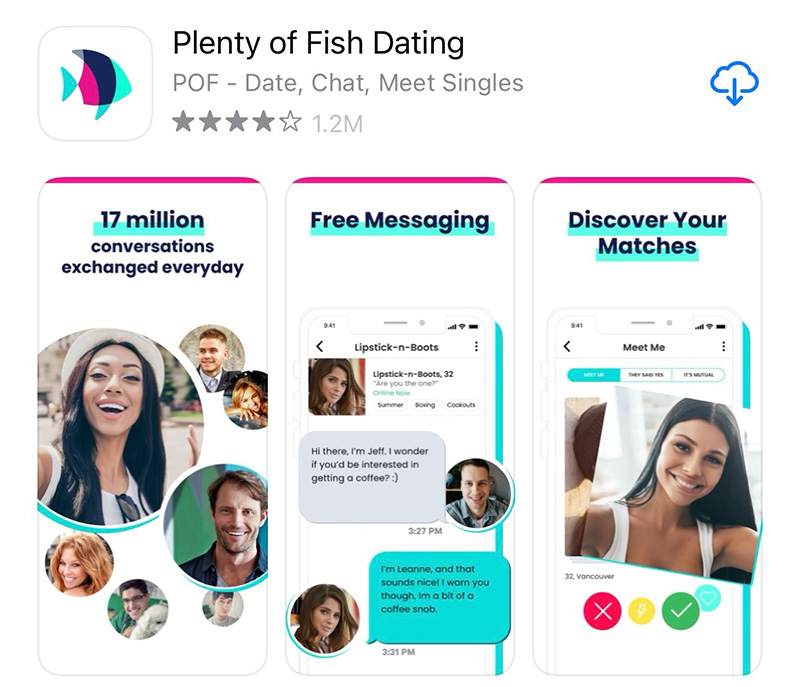
So Markus created Plenty of Fish.

But there was one problem...
He had no money for marketing.

No connections in the industry.

And was working alone from his apartment.

His solution was to focus obsessively on ONE metric:
Google rankings.

Markus spent hours optimizing his site for search engines.

He studied Google's algorithm.

When someone searched "free dating site," he wanted Plenty of Fish to be the first result.

And his obsession paid off...
Within months, Plenty of Fish gained significant traction.

The flood of free organic traffic was growing.

The site went from hundreds to thousands of users.

And he was still running it alone from his apartment.
But Markus had another advantage:

Data.

While other dating sites focused on complex algorithms, he kept it simple.

He tracked which profiles got the most messages and studied what made them successful.
He would analyze user behavior:

Looking at what types of profiles and photos performed better.

What messaging patterns led to more responses.

It created a feedback loop:
Users got more matches, so they stayed active longer.

More active users meant more matches for everyone.

More matches meant more word-of-mouth growth.

The site was growing rapidly. And then...
Markus discovered advertising revenue.

By 2006, Plenty of Fish was generating significant income from Google AdSense.

The site was profitable from day one.

And he was still the only employee.
His operation was remarkably lean:

He kept his working hours minimal.

The site was highly automated.

Revenue reached millions per year with minimal overhead.
But scaling brought new challenges:

Spammers tried to flood the site with fake profiles.

He worked on systems to detect fake accounts.

The site continued growing despite competition from Match(dot)com and eHarmony.
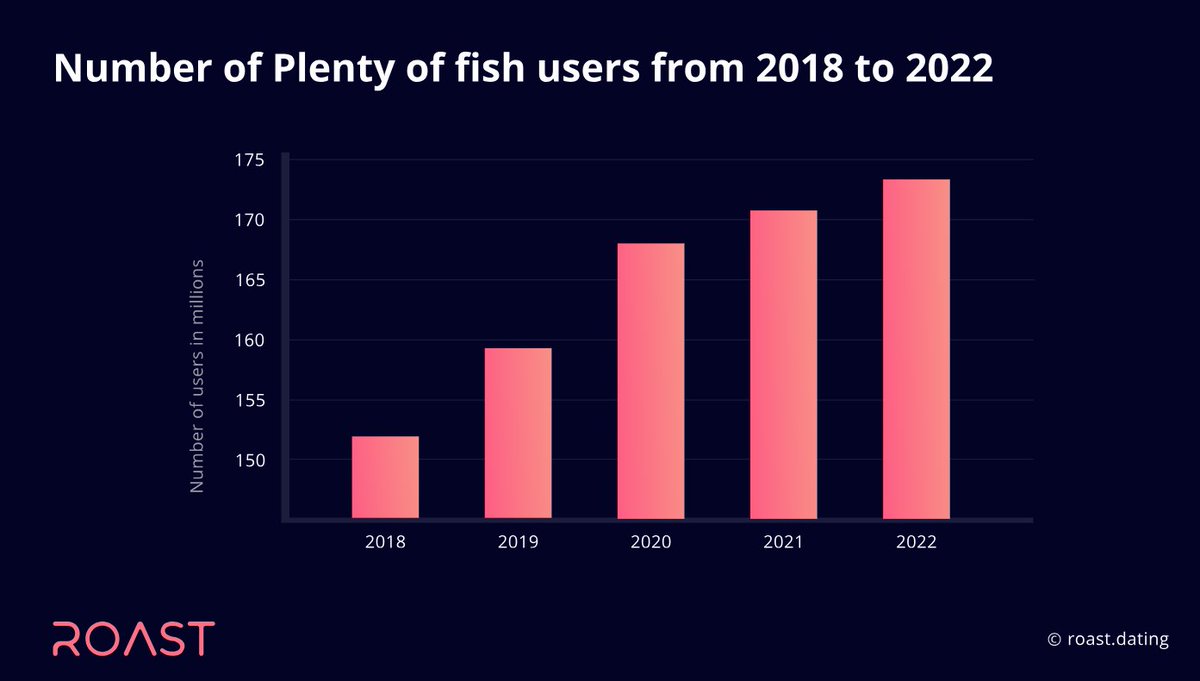
By 2015, Plenty of Fish had:

• 75 employees
• Significant annual revenue
• 100 million registered users

The site that started as a practice project was now a dating empire.

Then Match Group (owners of Tinder/Match/OkCupid) made their move:

They offered $575 million to acquire Plenty of Fish.

Markus accepted.

He had turned a 2-week coding project into a half-billion dollar exit.
The lessons are profound:

1. Start small, but think big
2. Focus on one key metric obsessively
3. Use data to improve user experience
4. Keep operations lean
5. Solve real problems for real people

But the biggest lesson?
The best businesses often start as side projects.

Because there's no pressure to succeed.

You can experiment, pivot, and find product-market fit naturally.

Sometimes the best companies aren't built in garages...

They're built in apartments by one person with a simple idea.
A bit about me:

I built 2 multimillion-dollar businesses without investment, selling my first for $60M after starting it in high school.

Now, I'm building a multi-million dollar gaming startup—and writing on X about how to do more with less.
Thanks for reading! If you enjoyed this:

1. Follow me @nealtaparia to learn how to be a work-less, do-more entrepreneur
2. Repost this thread if you found it helpful


